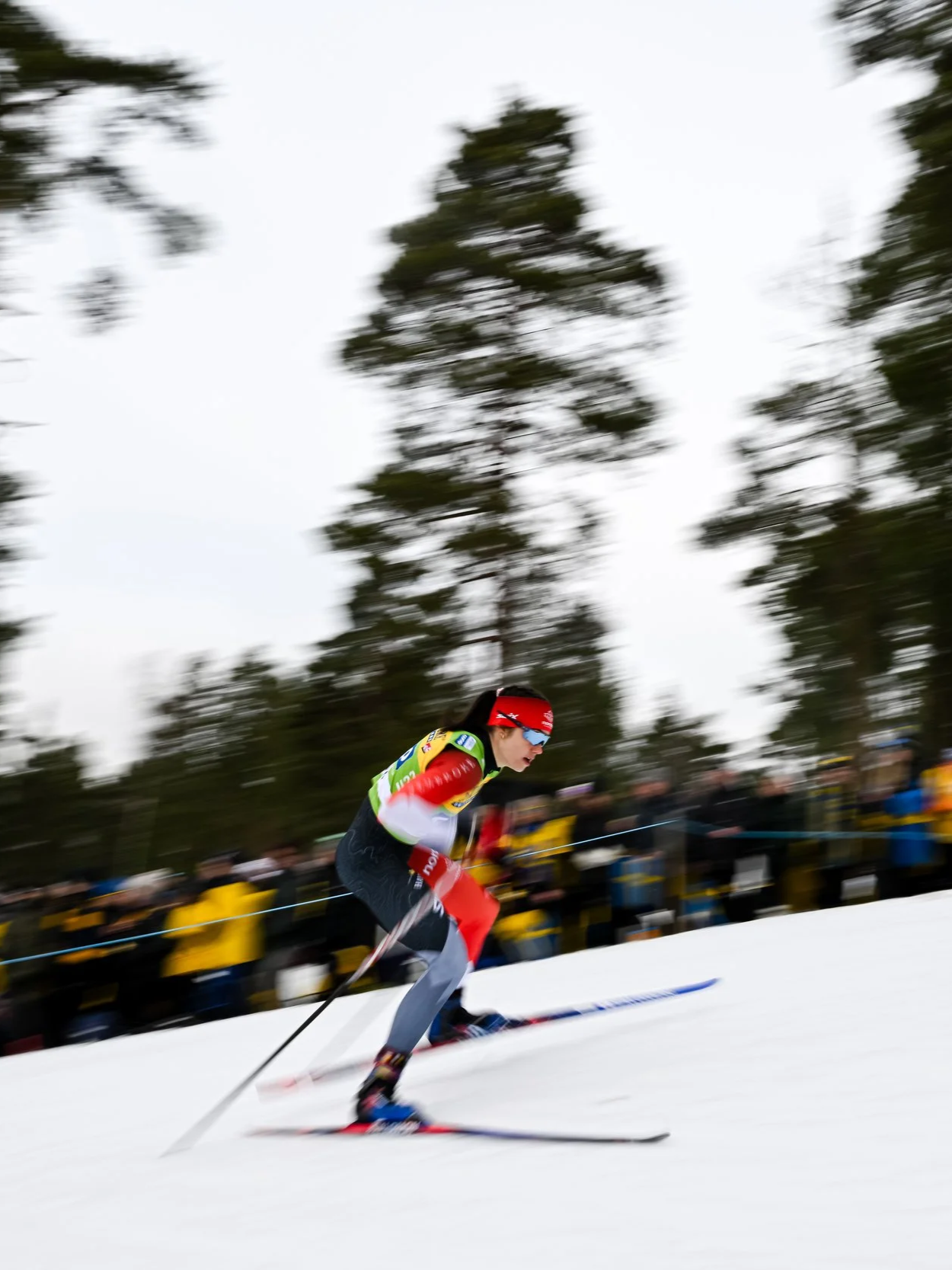
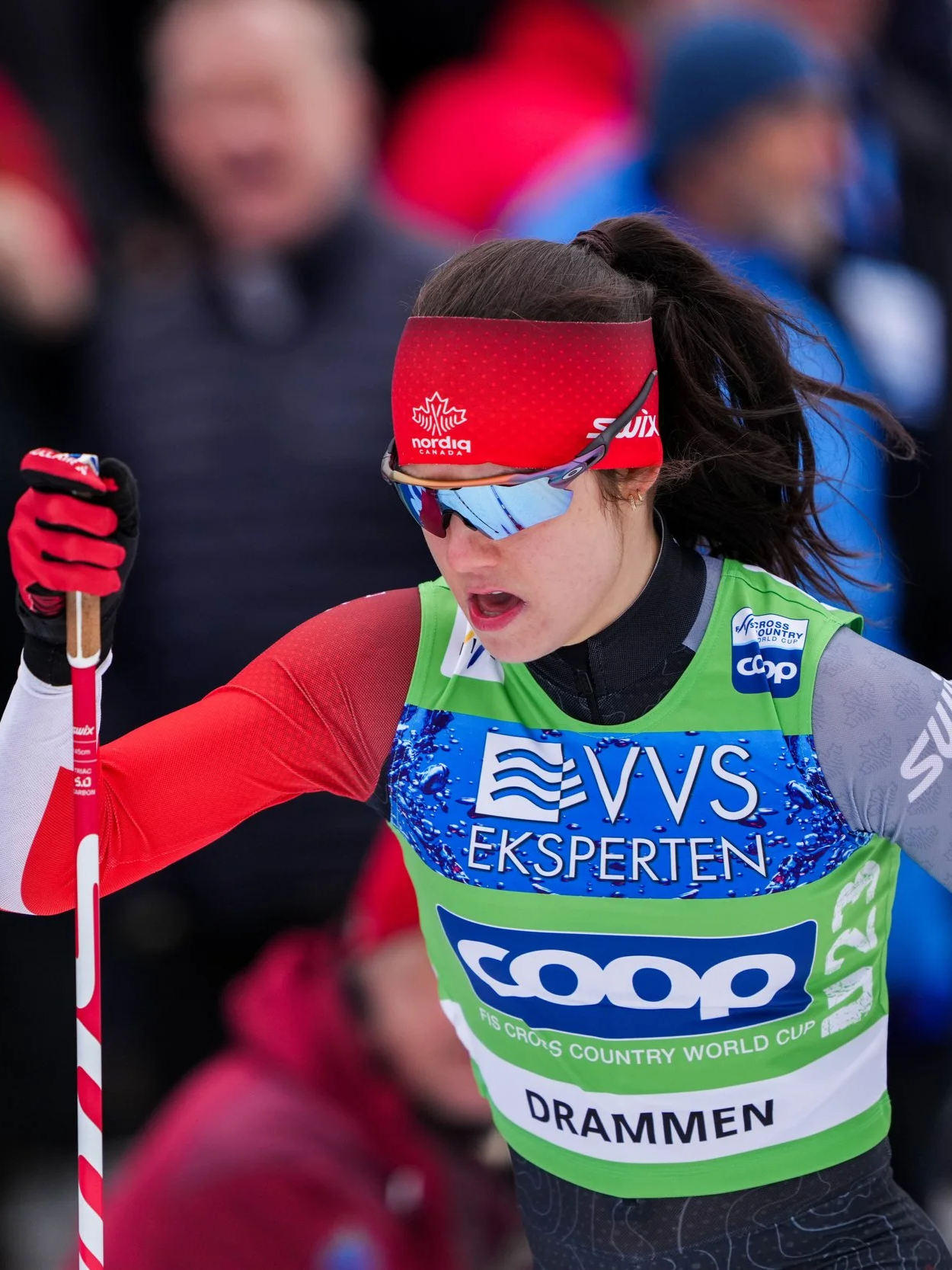
The 2025-2026 race season brought plenty of success, yet a fair share of challenges too. The reality of being a North American skier on the World Cup circuit is that we are often on the road for months at a time, living out of our suitcases and in hotel rooms. While the lifestyle of an elite athlete is a huge privilege, it is also mentally and physically exhausting, and at times, isolating. Going months without seeing my family and friends outside of skiing can feel lonely, even when I am constantly surrounded by coaches and teammates.
I have been lucky enough to race on the World Cup circuit for the past two years, with this past season being the most time I’ve spent on the road, and also the most I have raced. Juggling several goals across different races meant that I was travelling every week and lacked consistency and routine in my life. The time that I have spent travelling has taught me several things about maintaining structure and stability in the aspects of my life that I can control.
1. At times, rest is more beneficial than training
There were several times this winter where prioritizing rest over training hours became essential to remain healthy and ready to race wherever I was headed next.
The 2026 Olympic Trials were one of the most stressful weeks of my ski career thus far. Although I qualified for the 2026 Olympics, I left those races feeling that I had underperformed and was both mentally and physically exhausted. While I wasn’t impressed at the time, my coach suggested that I take the rest of my time in Canada to recover and reset. However, having patience and trust in my body and the training that I had completed ended up being exactly what I needed. I arrived in Italy refreshed and finished my first Tour de Ski with Canada’s best-ever women’s result in the overall Tour de Ski standings: 12th.
The other crucial rest period of my season was between the Olympics and Under 23 World Ski Championships. These events were the two main focuses of my season, and I knew that I had to arrive at each competition rested and ready to perform at my best. I sacrificed my Olympic closing ceremony experience by leaving the Olympic Village early to join my U23 teammates at Canada’s World Junior Ski Championships precamp in Sjusjoen, Norway. After three weeks of living in the Predazzo Olympic Village, I’d had enough of the action and buzz of the Olympics and knew that it was time to shift my focus toward the Under 23 World Ski Championships in Lillehammer, Norway, while also maintaining my lead in the women’s U23 World Cup standings. It was tough to let go of my opportunity to race in the first-ever women’s 50km Olympic race and to attend the closing ceremonies, but my season was far from over and rest had to come first. Instead, I cheered on my teammates in the 50km races from a cabin in Sjusjoen, my last chance to put up my feet before the final races of the season.
The time I took to prioritize rest this season showed in not only my racing consistency, but also my health. Getting sick is perhaps the most feared event of a cross-country skier during the winter, especially with frequent travel and exposure to viruses. Poor recovery can suppress the immune system and exacerbate the risk of illness, which can derail months of preparation for a race. This winter, for the first time in several years, I stayed healthy throughout the entire race season.
It can be difficult to rest when you feel like you need to train to get better. However, listening to your body, understanding your limits, and trusting the people around you is so important, and something that I'm hoping to continue to understand and improve on.
2. Trusting my training requires patience
It is nearly impossible to be in the best shape of my life for the entire winter. Racing during or right after a big training block, when my body is fatigued and my legs feel heavy, can be both frustrating and humbling, especially on the World Cup circuit. However, periodizing my training towards the major races of each season helps me to perform at my best on the biggest stage.
When I am racing most weekends for 4 months straight, I’ve learned that not every race can be my best race, but that is easier said than done in the middle of a race weekend. Trusting long-term training consistency, even in times when it felt like all of my hard work and dedication was falling short of expectations, keeps me looking forward to future races.
It’s so easy as an athlete to think that once you've done the work, the results will automatically come, but it's unfortunately not that simple. Sport is as much an art form as it is a science, and everything has to come together to be at your best. When the results didn't come at Olympic trials, I felt disappointed, and started to question my training and the work I had done so far. But I was lucky to have a team around me that believed in the plan we created, and learning to trust them, my body, and the work I had done so far was all it took for racing to click. Sometimes you have to “trust the process” and continue to believe that things will always get better with good planning, hard work, and patience.
3. Finding outlets outside of sport helps me stay relaxed in stressful and overstimulating race environments
My race seasons have been most successful when I have found creative, social, and academic outlets outside of training and racing. My body can only handle so many hours of training each day, especially during the winter when my priority is being rested for upcoming races. Being able to take my mind off of skiing completely has been essential for me to stay calm and relaxed, even in tense and overstimulating environments like the Olympic Village.
For the past 2 years, I have been studying Health Sciences online at Queen’s University. Structuring my days around training and school allows me to keep a routine and have something to focus on when my training and racing aren't going as planned.
Drawing, doing crafts like sewing or beading, and planning regular team activities are other ways that I like to pass the time between races. For the past two seasons, when we’ve been in Oslo for World Cups, our team books a floating sauna on the fjords next to downtown!
4. Above all, racing needs to be fun
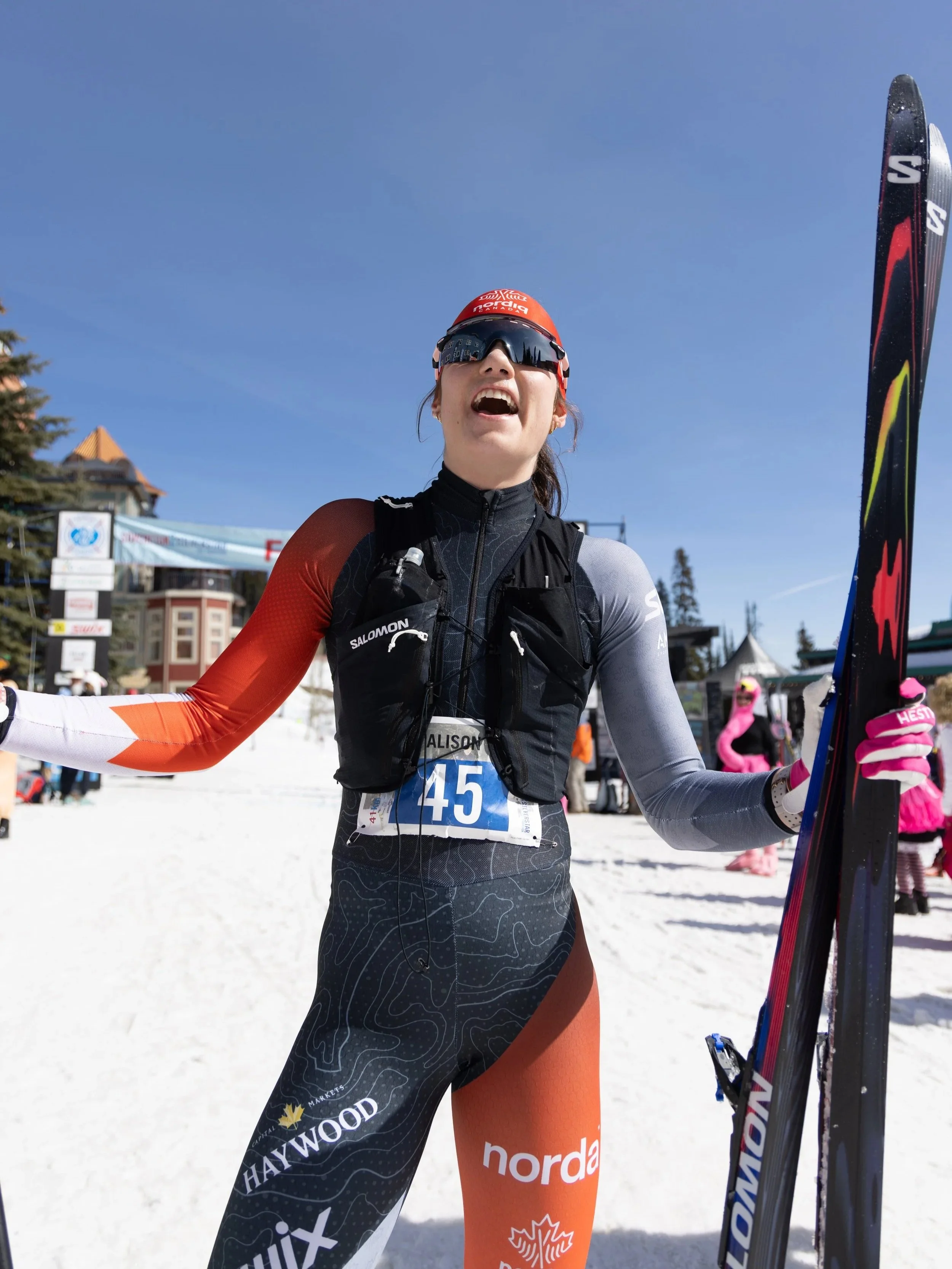
Beyond the results, there is a reason why all skiers continue to do the long hours, hard work, extended travel periods, and the stress of competition… Because it's fun! Even though my 2025-2026 World Cup season ended on the incredible high of winning the U23 Overall World Cup title, that does not take away from the fact that it was a long, intense season with many periods of doubt and stressful moments. Being able to remind myself why I ski, and that it is just as much about having fun as it is performing was a priority this season, and keeping my training and racing environment fun is such a big part of striving to improve, learn, and push myself alongside my competitors, teammates, and friends. Wanting to end the season on a light and laid-back note, I attended the Sovereign to SilverStar (S2S) loppets in SilverStar, British Columbia this April. It was an amazing way to cap off and celebrate the race season with the super supportive ski community in Canada. The opportunity to race two ski marathons in two days in a low-stress environment was a great and important reminder of why I ski race: because I truly love it. I also had the opportunity to speak on a panel with some of my teammates to reflect on the season, and to meet some young skiers, an opportunity I would have loved to have growing up.
This season taught me to trust my gut, do what makes me happy, and above all, keep skiing fun.
If you got all the way to the end of this blog, thank you so much for reading!
Cheers,
Alison :)